How to Choose the Right Welded Mesh Wire for Your Project
By Zain Corporation | April 06, 2026 | Category: Welded Mesh Wire
Selecting the right welded mesh wire is a critical decision for any industrial, commercial, or construction project. Whether you are securing a facility, reinforcing concrete, or creating partitions, the quality and specifications of the mesh directly impact strength, durability, safety, and long-term performance.
With multiple options available—varying in material, coating, mesh size, and wire thickness—it’s important to understand what works best for your specific application. This guide will help you make an informed decision and choose the right welded mesh wire for your project.
Understanding Welded Mesh Wire
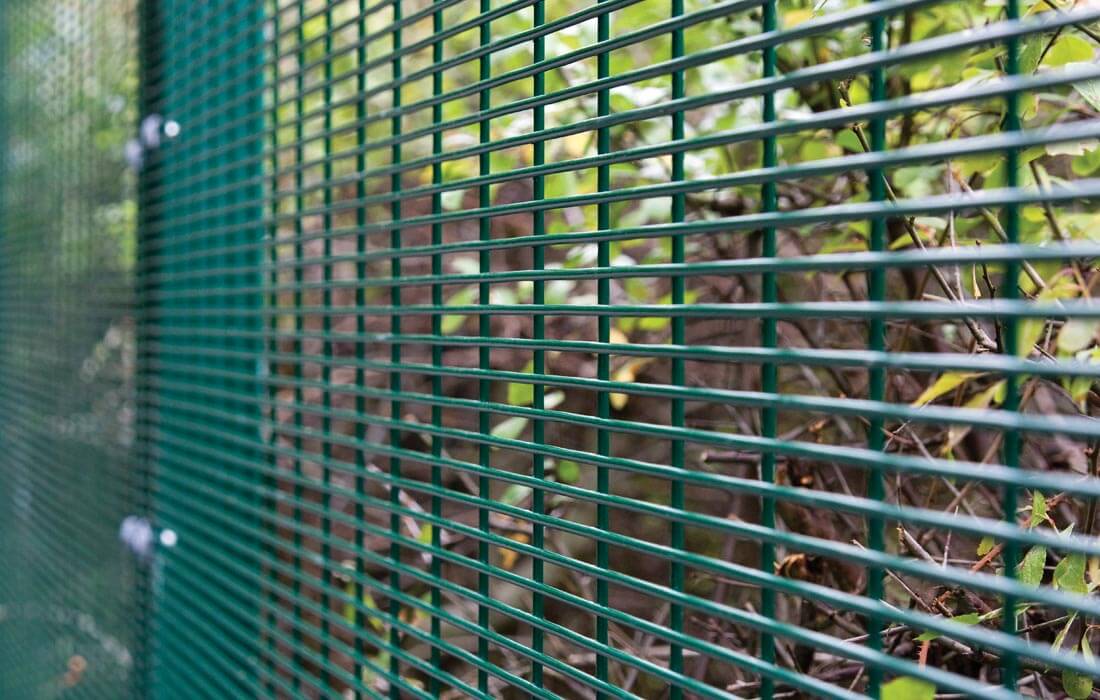
Welded mesh wire is made by electrically welding steel wires at their intersections to form a rigid grid. This process creates a strong and uniform structure that offers high tensile strength, stability, and resistance to deformation.
It is widely used across industries for:
- Perimeter fencing
- Construction reinforcement
- Industrial partitions
- Safety enclosures
Key Factors to Consider When Choosing Welded Mesh Wire
1. Application & Purpose
The first step is to clearly define where and how the mesh will be used. Different applications require different specifications.
For example, fencing applications require mesh that is anti-climb and durable, while construction reinforcement demands mesh with high load-bearing capacity. Industrial partitions may prioritize visibility and moderate strength.
Understanding your purpose helps narrow down the right type quickly.
2. Material Type
The material of the welded mesh determines its resistance to corrosion and environmental conditions.
- Galvanized Steel: Ideal for outdoor use due to its rust resistance
- PVC Coated Mesh: Offers additional protection and aesthetic appeal
- Stainless Steel Mesh: Best for high-corrosion environments like coastal or chemical industries
Choosing the right material ensures long-term durability and reduces maintenance costs.
3. Wire Thickness (Gauge)
Wire thickness plays a crucial role in determining the strength of the mesh.
- Thicker wires provide higher strength and security
- Thinner wires are suitable for light-duty applications
For industrial fencing or high-security areas, thicker gauge wires are recommended as they are more resistant to cutting and damage.
4. Mesh Size (Opening Size)
Mesh size refers to the spacing between wires.
- Small openings: Provide better security and anti-climb features
- Larger openings: Allow better visibility and airflow
For high-security fencing, smaller mesh sizes are preferred, while larger openings are often used for partitions or agricultural purposes.
5. Coating & Finish
The coating enhances the mesh’s resistance to corrosion and environmental wear.
Common finishes include:
- Hot-dip galvanization
- Powder coating
- PVC coating
A good coating not only extends lifespan but also improves appearance, especially for commercial installations.
6. Strength & Load Requirements
For construction and structural applications, the mesh must be able to handle specific loads and stresses.
Higher tensile strength mesh is required for:
- Concrete reinforcement
- Industrial flooring
- Heavy-duty enclosures
Always ensure that the mesh meets the required engineering standards for your project.
7. Installation & Maintenance
Ease of installation and long-term maintenance should also be considered.
Rigid mesh panels are easier to install and provide better alignment, while coated meshes require less maintenance over time. Choosing the right type can save both time and operational costs.
Common Mistakes to Avoid
When selecting welded mesh wire, many projects face issues due to poor planning. Avoid these common mistakes:
- Choosing mesh based only on price, not application
- Ignoring environmental conditions like moisture or chemicals
- Selecting incorrect mesh size or wire thickness
- Not considering future maintenance
A well-informed choice ensures better performance and long-term savings.
Choosing the Right Solution for Your Project
Every project is unique, and there is no one-size-fits-all solution. The ideal welded mesh wire should offer the right balance of:
- Strength and durability
- Security and visibility
- Cost and performance
For high-security industrial projects, combining welded mesh with additional solutions like razor wire or electric fencing can further enhance protection.
Conclusion
Welded mesh wire is a versatile and reliable solution used across multiple industries. However, selecting the right type requires careful evaluation of your project’s needs, environment, and security requirements.
By understanding key factors such as material, wire thickness, mesh size, and coating, you can ensure that your investment delivers maximum performance and long-term value.
Choosing the right welded mesh is not just about fencing—it’s about building a secure, durable, and efficient system that supports your operations.